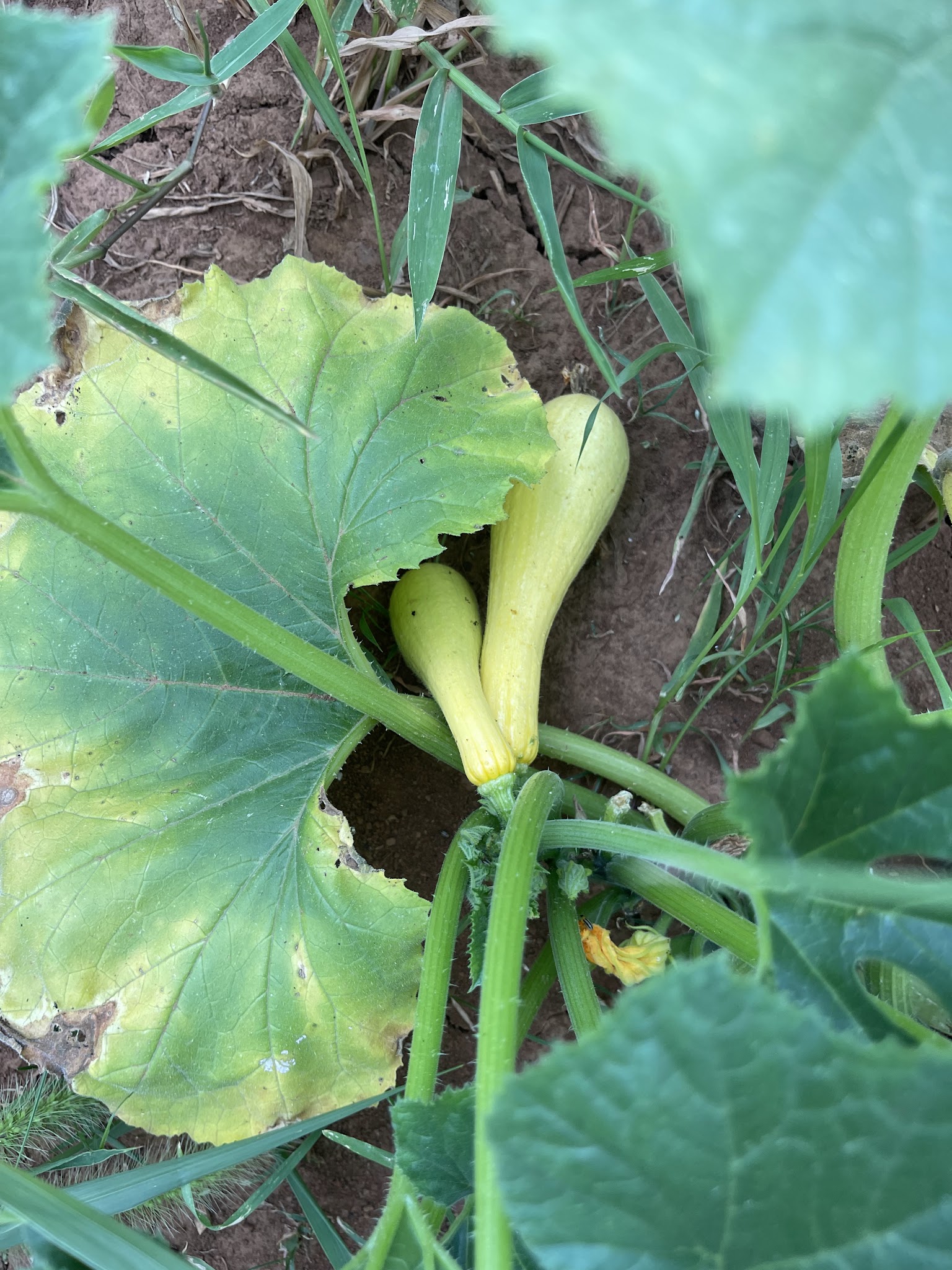
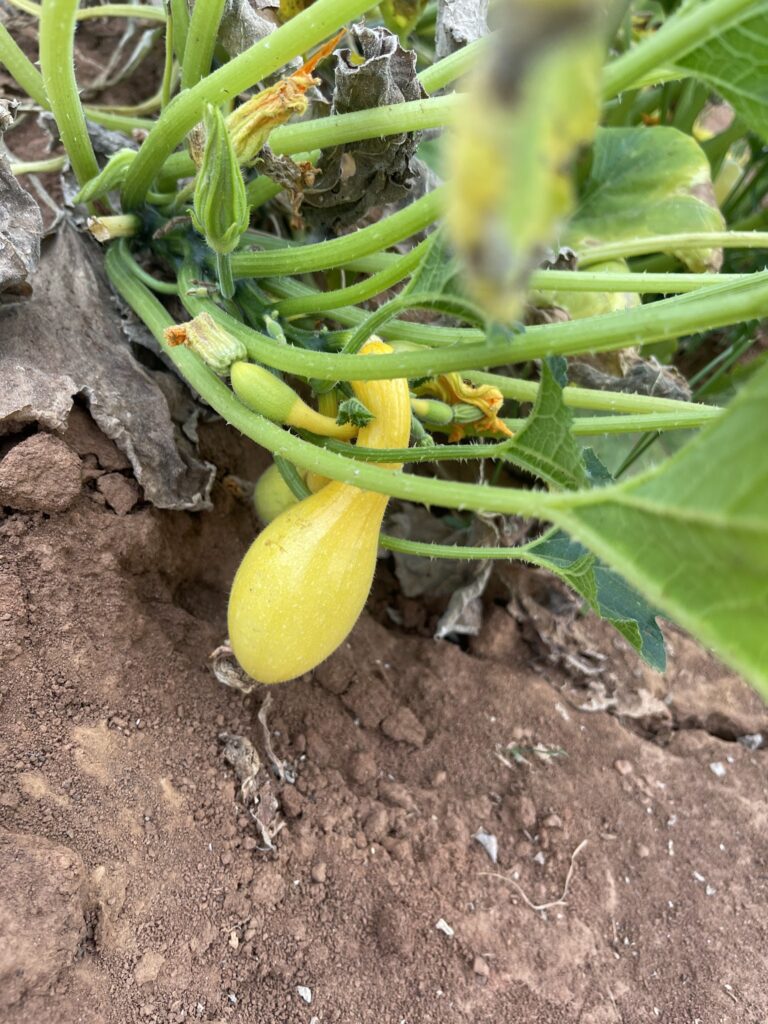
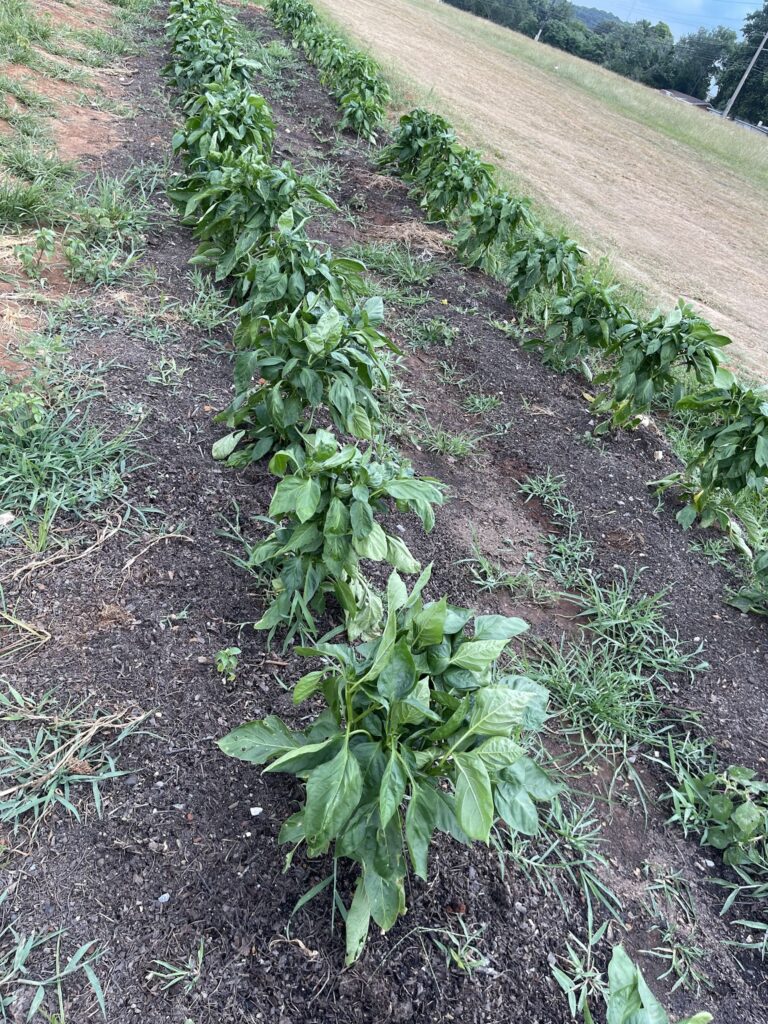
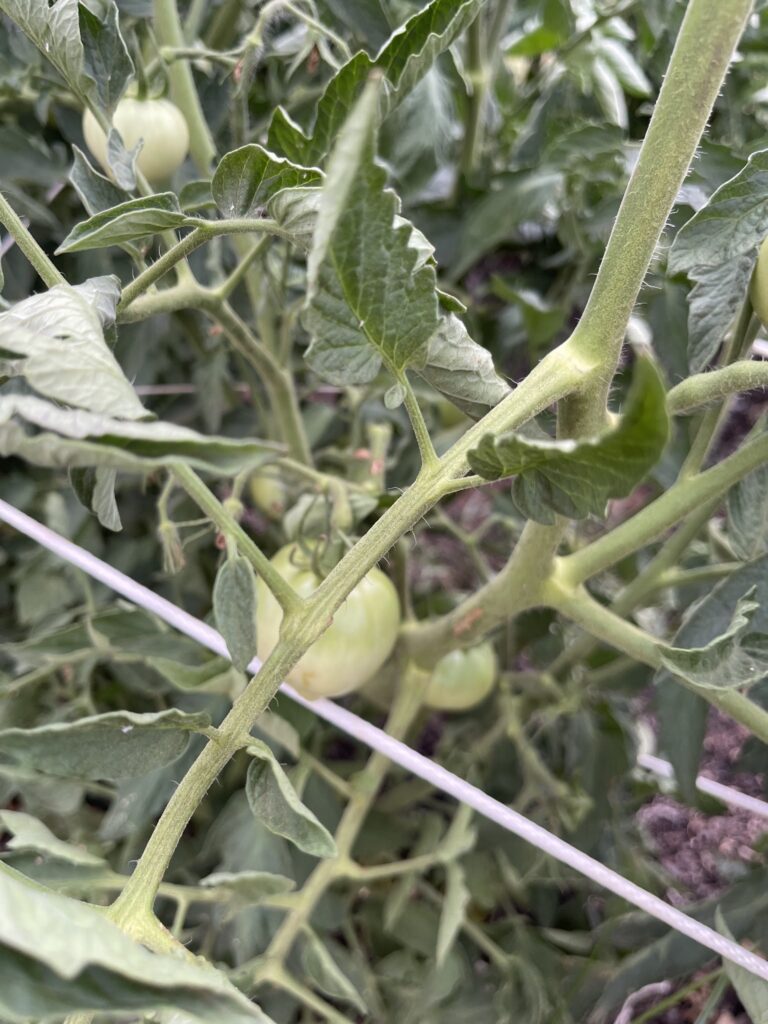
Community gardens have emerged as vital institutions in urban and suburban communities across America, serving as more than just spaces to grow vegetables. They represent a convergence of environmental stewardship, social connection, and food security initiatives that address some of the most pressing challenges facing modern neighborhoods. The Community Garden located at 3701 Meridian St N in Huntsville, Alabama, exemplifies this multifaceted approach to community development and sustainable living.
At its core, a community garden functions as a place of education and empowerment where residents gain direct access to agriculture regardless of whether they own property or possess prior gardening experience[2]. These spaces democratize the growing process, making fresh produce cultivation accessible to urban dwellers who might otherwise lack the opportunity to connect with food production. The Community Garden in Huntsville serves this essential function by providing a central gathering place where neighbors can learn, collaborate, and build meaningful relationships while working toward a common goal of cultivating nutritious food.
The significance of community gardens extends far beyond the vegetables and fruits they produce. These gardens fight food insecurity by ensuring that residents have reliable access to fresh, healthy produce[2]. In communities like Huntsville, where food deserts and limited access to affordable fresh foods can be persistent challenges, community gardens provide a tangible solution. They empower individuals and families to take control of their nutritional intake while reducing their dependence on processed foods and expensive grocery store alternatives.
Community gardens also serve as educational hubs within their neighborhoods. They offer workshops hosted by Master Gardeners, cooking classes, and hands-on training in sustainable agricultural practices[2]. These educational opportunities extend beyond basic gardening techniques to encompass broader topics such as starting plants from seed, managing weeds, fertilizing gardens, and selecting the most productive cultivars. By sharing knowledge and expertise, community gardens build capacity within their communities and foster a culture of continuous learning and improvement.
The social dimension of community gardens cannot be overstated. These spaces create fixtures in communities that give people a reason and a place to gather in central areas of their neighborhoods[2]. In an era when many people feel increasingly isolated and disconnected from their neighbors, community gardens provide structured opportunities for meaningful social interaction. Volunteers working side by side in the garden develop friendships, support networks, and a sense of belonging that extends far beyond the garden beds themselves.
Participation in community gardens typically involves becoming a member, which usually requires a plot fee and a cleaning deposit[2]. Once established as a member, individuals receive their own plot, typically a raised bed, where they can plant during the designated growing season. For those unable to commit to maintaining a personal plot, volunteering opportunities allow community members to contribute to the garden’s success while enjoying the benefits of participation and social engagement.
The Community Garden at 3701 Meridian St N represents a commitment to sustainable urban agriculture and community resilience. By providing accessible space for residents to grow their own food, learn valuable skills, and connect with neighbors, this garden contributes significantly to the health, wellbeing, and cohesion of the Huntsville community. Whether you are an experienced gardener seeking to expand your growing space or a beginner interested in learning where your food comes from, the Community Garden offers an inclusive environment where all are welcome to participate in this rewarding endeavor.